With the rise of Barbiecore in Hollywood as a result of the Margot Robbie-starring blockbuster movie, it seems fitting to call out an oft-overlooked, but beloved set of Barbies introduced in the late ’90s: the Generation Girls. If you played with Barbies around the turn of the millennium, you likely remember this line-up of Barbie dolls that, in many ways, seemed like Mattel’s first step into exploring more diverse representations of the icon.
RELATED:Best Barbie Dolls Of 2023
Stemming from different countries and ethnic backgrounds, these dolls all had distinct interests, styles, career aspirations, and, yes, bedrooms. In many ways, the Generation Girls were cultural predecessors of Greta Gerwig’s subversive, yet nostalgic film interpretation ofBarbie. Here’s a breakdown of each character.
The dolls in this piece all are referred to by the names given to them when released in the U.S. (English) market. In other countries, some of the characters went by different names.
8Barbie Roberts
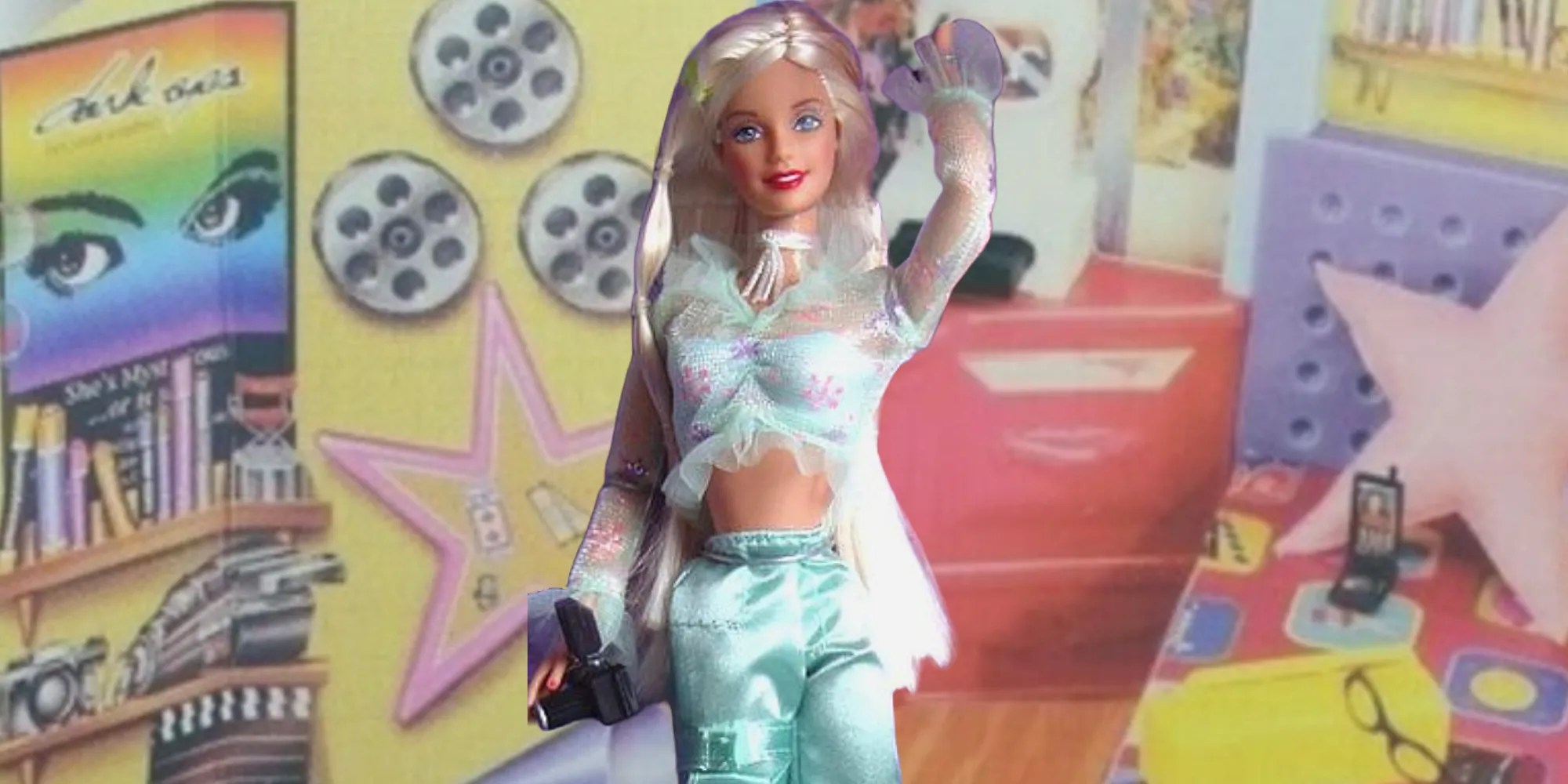
The Generation Girl version of Barbie Roberts remained true to her ‘stereotypical’ look, complete with blond hair, white skin, and an impossibly hard-to-achieve body type. This iteration, though, characterizes her asan aspiring filmmaker.
Various sets adorned Barbie in leopard print shirts, sparkly blue mini dresses, and glamorous tracksuits that evoked a serious Britney Spears vibe. Barbie’s My Room product came with a VHS tape (what is that?), a portable radio (and that?), and a small TV with an attached VHS player (no seriously, what is that?) among other items that Gen-Zers would no doubt find ‘vintage.’ Old Hollywood glam meets Nineties pop at its finest.

7Nichelle Williams
Nichelle has appeared as one of Barbie’s friends in more than one Mattel line-up, but as a Generation Girl, her personality and interests get a bit more fleshed out. As an aspiring model, Nichelle resides in New York City and is sold wearing a variety of sparkly attire.
With her black hair styled into tight curls, Nichelle’s identity as a Black-American woman seems more overt than in past renditions of the character, which essentially depicted her as a straight-haired, dark-skinned version of Barbie. Nichelle also noticeably has glittery eye shadow on, and her My Room set comes with a full makeup kit, a chaise lounge, and fashion magazines.
6Chelsie Peterson
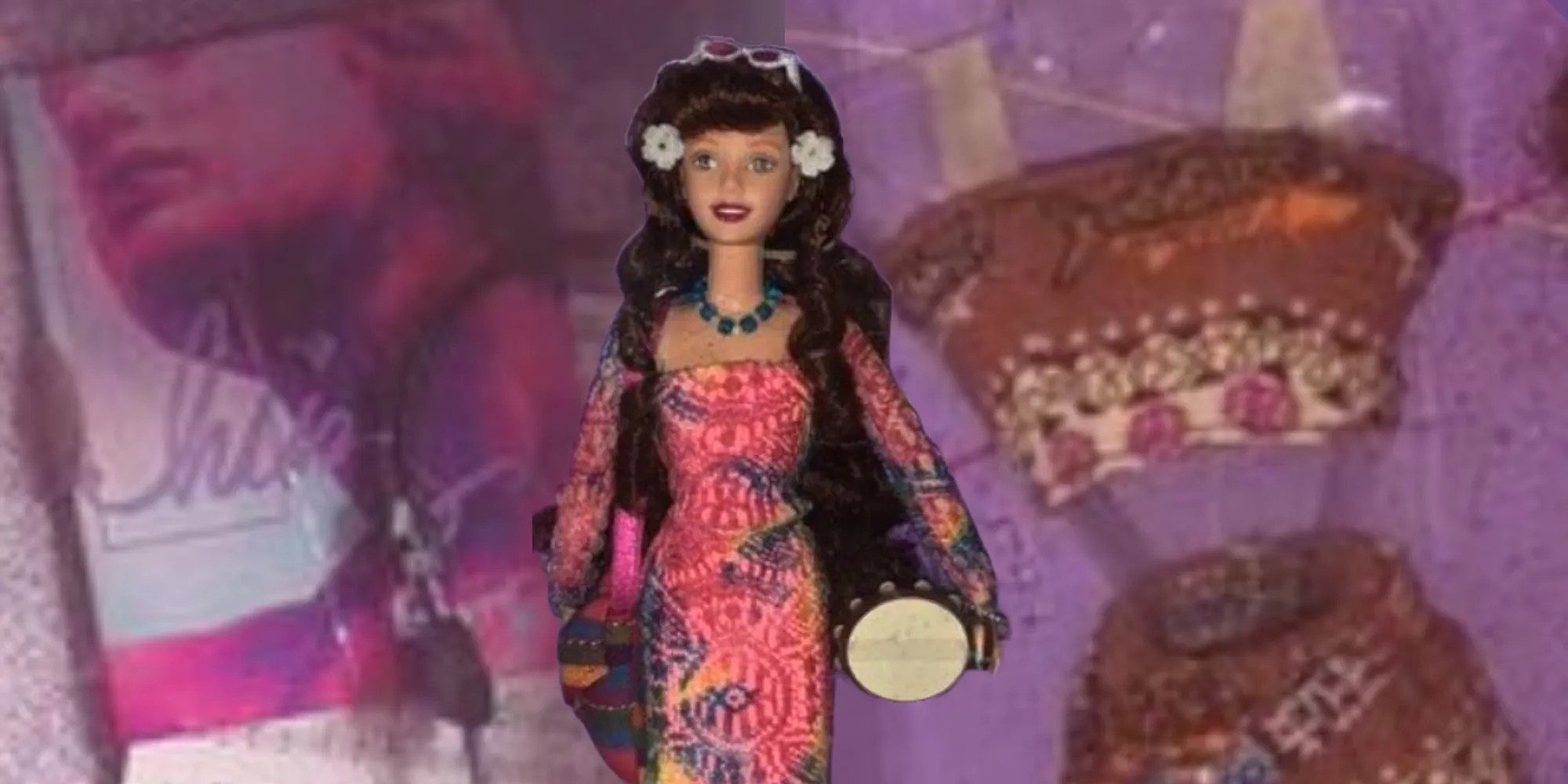
Like Nichelle, Chelsie is another well-known Barbie character that hit shelves before the Generation Girls line. As part of the new and improved Barbie friend group, though, her backstory is updated to reflect an upbringing in London, England and a love for all things music-related.
RELATED:Best Barbie Easter Eggs From The Movie
Chelsie is the only Generation Girl to not get a My Room set, but her stand-alone dollcame with a multicolored dressmade out of fine, thready material. She also has distinctive red-brown hair that curls down her back in gentle waves and a softer, heart-shaped face. Although Chelsie lives in London, her outfits evoke a somewhat Caribbean-island feel, which, in retrospect, is definitely an odd choice for a woman who is very clearly white and British.
5Lara Morelli-Strauss
In many ways, Lara looks more like older iterations of Barbie’s brown-haired friends. With pale skin and dark brown hair, Lara gives off an etherealje ne sais quoias an aspiring Parisian artist (because, come on, everybody who lives in Paris is an aspiring artist, right?). Lara’s My Room package included water-color paintings, a drawing desk, and miniature sculptures.
Lara’s last name is also notable for the Barbie brand since it is hyphenated, which could indicate that she stems from a split or single-parent household. Although Barbie’s parents are usually not depicted in Mattel’s lineup, the subtle acknowledgment of non-nuclear families is a nice twist to an otherwise pretty run-of-the-mill French doll. Lara’s outfits include a fringed, woven pancho and tri-colored capri pants.

4Tori Burns
As a resident of Sydney, Australia, Tori (or Vicky as she’s sometimes called) is one of Barbie’s first truly international friends. A clear tom-boy, Tori enjoys skateboarding and riding around on her scooter.
Tori wore more athletic clothes than Barbie (which made her a bit reminiscent of ‘Sporty Spice’ from The Spice Girls or Gwen Stefani’s No Doubt days) and had her long blond hair pulled back in high pigtails. Her My Room looked more like a loft with a bunk bed, comics, and wired headphones. Tori appeals more to the Barbie fan who isn’t as into the glitter and bubblegum pink glam, which arguably makes her one of the more memorable Generation Girls for that very reason.

3Ana Suarez
Another character from outside the U.S., Ana hails from Mexico City, where she practices a variety of sports, including swimming and track and field. With slightly darker skin and hair than Barbie, Ana evokes a chic, beach-side style that fits with her athleticism and love of the ocean. As one of the more unique My Room sets, Ana’s space includes a blow-up, pink air mattress and pillow along with a fish tank and a ukulele.
RELATED:Best Animated Barbie Movies
Ana is noteworthy for her identity as a Mexican woman, particularly since popular culture did not have many visible, fleshed-out examples of Hispanic characters created for kids at the time of her release. Although the doll’s body seems to come from the same proportional mold as Barbie’s, Ana’s athletic ability is emphasized in both her attire and hobbies.
2Mari Nakano
As one of Barbie’s first Asian friends, Mari (full name Mariko) was depicted as living in Tokyo, Japan and, like the Australian Tori, had a more unique style of dress and hobbies than some of the other Generation Girls. With a visibly thinner and smaller-chested body type than Barbie, Mari’s style seems to adopt elements from the Japanese Kogal culture of subversive school-girl outfits that was popular at the time.
As an avid video gamer, Mari’s My Room set came with plug-in Nintendo-esque controllers and a toy rabbit robot (think a physical, pet-sized Tamagachi). Mari also came with a laptop — something pretty ‘high-tech’ for the late Nineties — and, of course, anime magazines.

1Blaine Gordon
In a not-so-surprising twist, the Generation Girls actually also had a male member — and it wasn’t Ken! Blaine Gordon was an aspiring musician and DJ from New York City. Also, he definitely looked like a forgotten member of The Backstreet Boys. Blaine came with a guitar and keyboard and typically wore silky shirts paired with baggy shorts or pants.
Although Ken isn’t part of the Generation Girls club, Blaine isn’t necessarily portrayed as an alternative love interest for Barbie either. In fact, he truly just seems to be a dude who hangs out with a bunch of girls. And that feels… surprisingly normal.

Whatever else you might think about Barbie’s troubled legacy, Blaine’s effortlessly cool smirk in the line-up of otherwise female faces does say something about what the Generation Girls symbolized: a gradual and non-flashy depiction of a diverse world centered on women’s interests and dreams. The all-female Supreme Court of Gerwig’s Barbie Land would be proud.

